This week we share some information about Te Whare Taonga o Te Awamutu Museum’s school outreach programme, prepare to celebrate a big milestone at Cambridge Wastewater Treatment Plant and more!
Service delivery
Cambridge Wastewater Treatment Plant
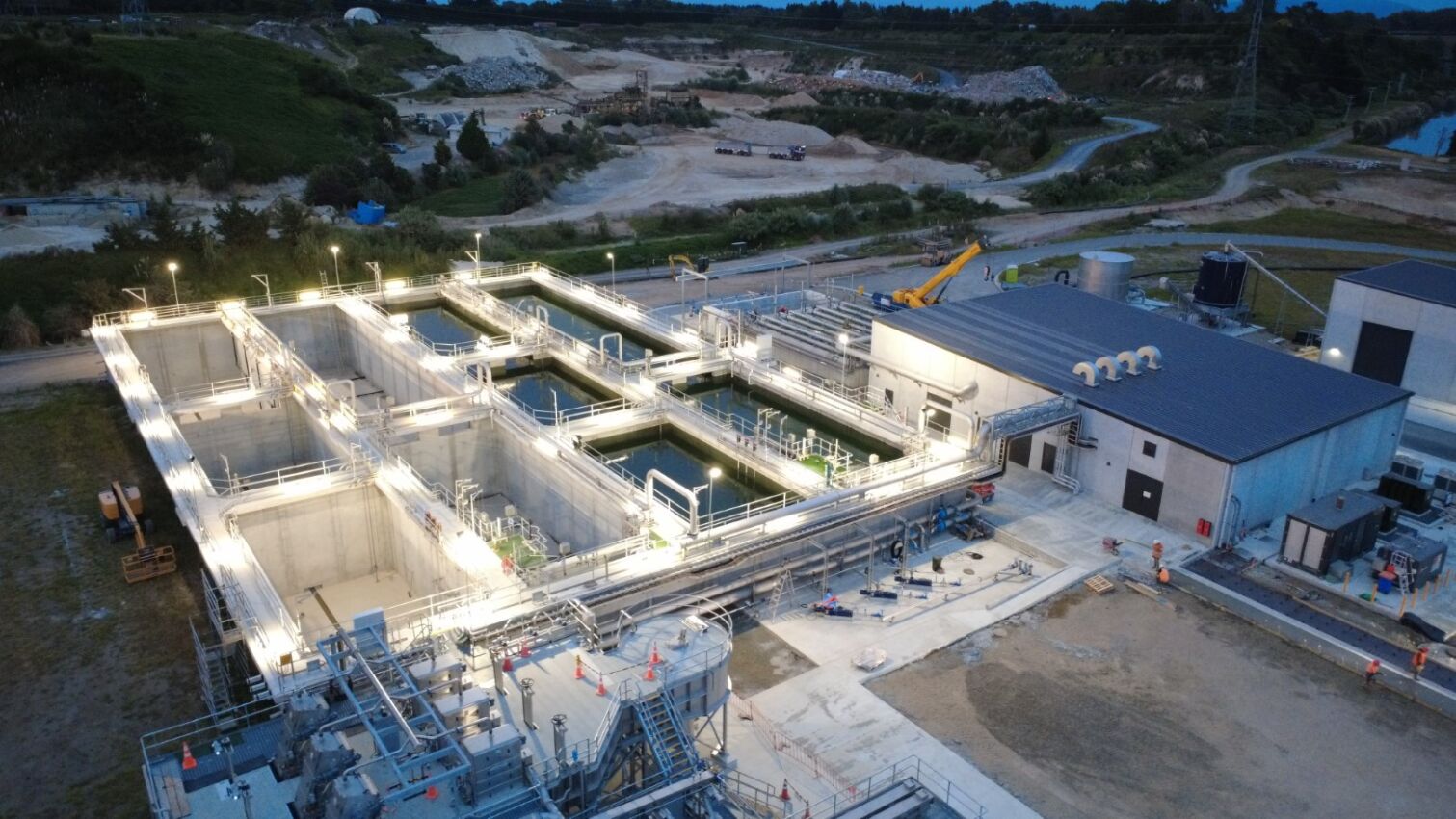
Wastewater will flow through the Cambridge Wastewater Treatment Plant for the first time on Monday, March 30, marking an important commissioning milestone for Waipā District Council’s largest infrastructure project. The moment will be acknowledged with a karakia led by the Kaitiaki Group, recognising the connection between the project, the whenua, and the Waikato River. This is a tikanga-led event, rather than the official opening of the plant.
The $108.5 million project will serve the communities of Cambridge, Leamington, Hautapu, and Karāpiro Domain, providing wastewater treatment for around 20,000 people today, with capacity designed to support growth to 50,000 by 2060. The plant uses Membrane Bioreactor (MBR) technology, one of the highest treatment standards in New Zealand. Compared with the existing pond-based system, the new plant operates on roughly one-third of the footprint, will generate solar power on site during daylight hours, and is expected to reduce greenhouse gas emissions by approximately 90 percent. As a consent condition, the plant is required to be fully operational by this December but is anticipated to be in service well before then.
From the very beginning, the project has been guided by the Kaitiaki Group, established in 2021. The group includes representatives from Ngāti Koroki Kahukura, Ngāti Hauā, Waikato Tainui, the Community Liaison Group, Waipā District Council, Waikato Regional Council, and project consultants GHD. This collaborative approach helped secure a 35-year resource consent in September 2023 without the need for a formal Council hearing, saving time and cost. The partnership was recognised with a Special Award at the 2024 ACE Awards.
Commissioning and testing will continue throughout 2026, with a formal opening planned for late June, involving elected members and mana whenua. Public communications about Monday’s milestone will follow shortly after.
Next week, wastewater will be added to the new bioreactors at the plant. A small amount of foam may appear on the surface during this stage, which is a normal part of commissioning, and in case of high wind could be visible to the public. Our team will be monitoring the process closely to ensure everything runs smoothly, and have prepared public communications if this eventuates.
Waste Minimisation
Every year, the Waste Minimisation Team administer a community fund of $50,000 to support projects in the district which rethink, reuse, and reduce solid waste to landfill. This year’s fund is open between March 30 – April 17, and we enthusiastically encourage applications from marae, organisations, iwi, businesses, individuals, schools, and community groups. We are looking for projects that sit at the top sections of the waste hierarchy, which means it could be an idea that:
- Redesigns a product or system
- Turns waste into a new resource
- Replaces single-use items with reusables
- Reduces rubbish for your school or marae
- Repairs or restores items to give them another life
- Educates the community about waste minimisation
More information about the Waste Minimisation Community Fund can be found here, and our fund criteria and the process for assessing applications is here. Administering this fund aligns with our Waste Minimisation and Management Plan (WMMP) action 13: Continue the Waste Minimisation Community Fund. This project is funded through the Government’s Waste Disposal levy, which must be spent on projects that promote or achieve waste minimisation.
Road renewals
Roads to be resealed around the district over the next two weeks:
- Alexandra Street
- Cambridge Road (Te Awamutu)
- Koromatua Road
- Te Pahu Road
- Wharepapa South Road
- Whitmore Street
- Roche Street
Community services
Te Whare Taonga o Te Awamutu Museum
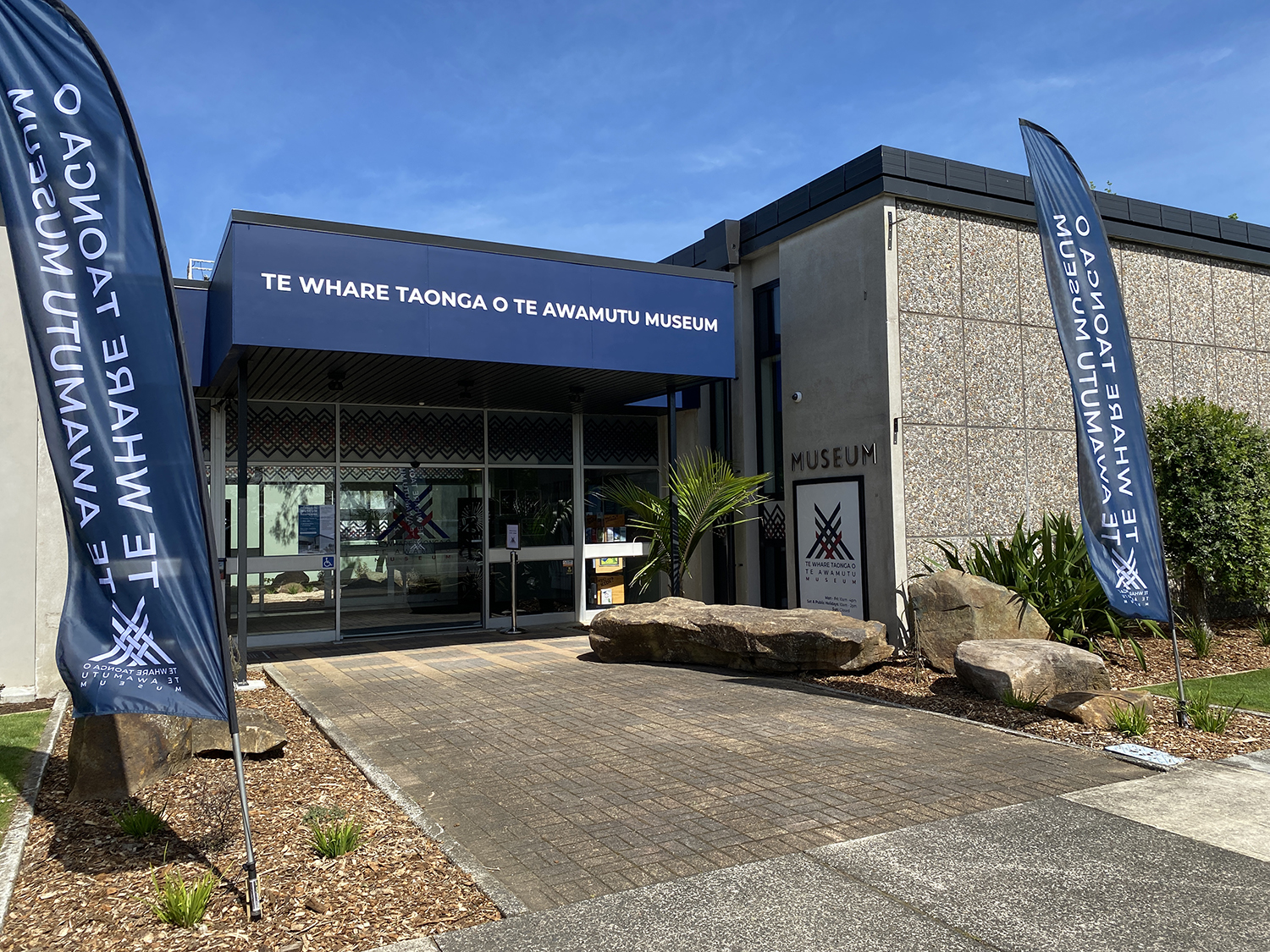
Our museum has had a busy few months connecting with local schools.
In February, the Museum Educator visited Ōtāwhao Marae to run programmes for Te Awamutu College’s Year 9 students as part of their integrated curriculum studies.
This marks the fifth year the museum has partnered with the school to facilitate this day, helping ākonga (students) build connections to their marae, classmates, school, and local area. Through active participation, physical activities, a trading game, and exploring items from the museum’s collection, students experienced a hands-on and interactive day in a special venue.
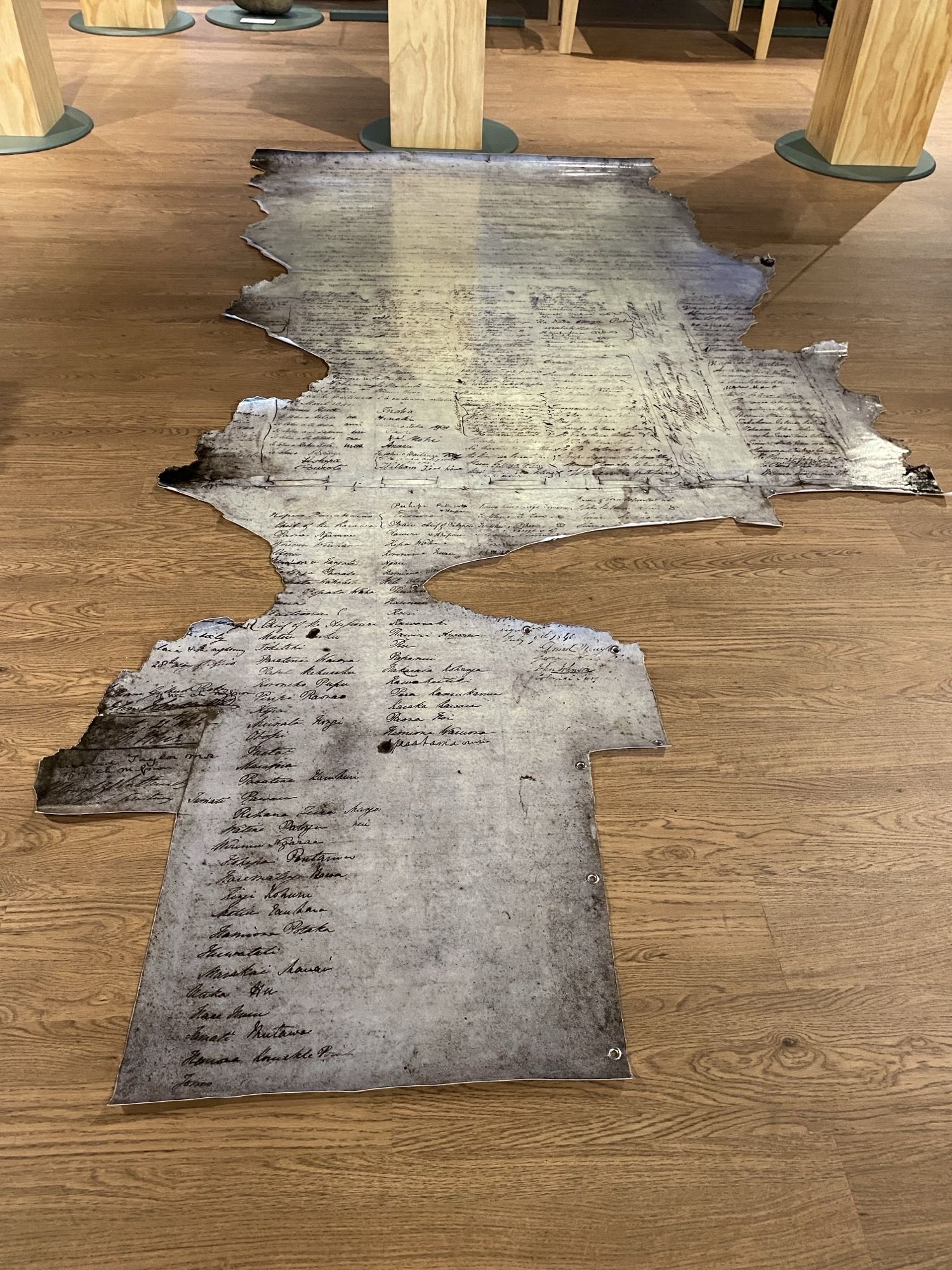
During February and March, the Museum also welcomed all students from Te Awamutu Intermediate School to participate in a Te Tiriti o Waitangi education programme. The interactive session allowed students to journey back in time and become part of the timeline leading to New Zealand’s founding document. Objects, taonga, costumes, and a giant roll-out Treaty, were a key part of the programme to help make the history and concepts engaging and relatable for learners.
Libraries
The Cambridge Library has teamed up with the Cambridge Autumn Festival to offer a two-hour Pixel Art workshop tomorrow, March 28. Using the free Pixelorama software, participants will learn how to create a retro autumn scene and add animations to their designs. The workshop has proven extremely popular and is fully booked, with a waiting list in place.
Due to the high demand, library staff plan to host similar sessions in the future, giving more people the chance to explore this fun and creative digital art form.
Parks and reserves
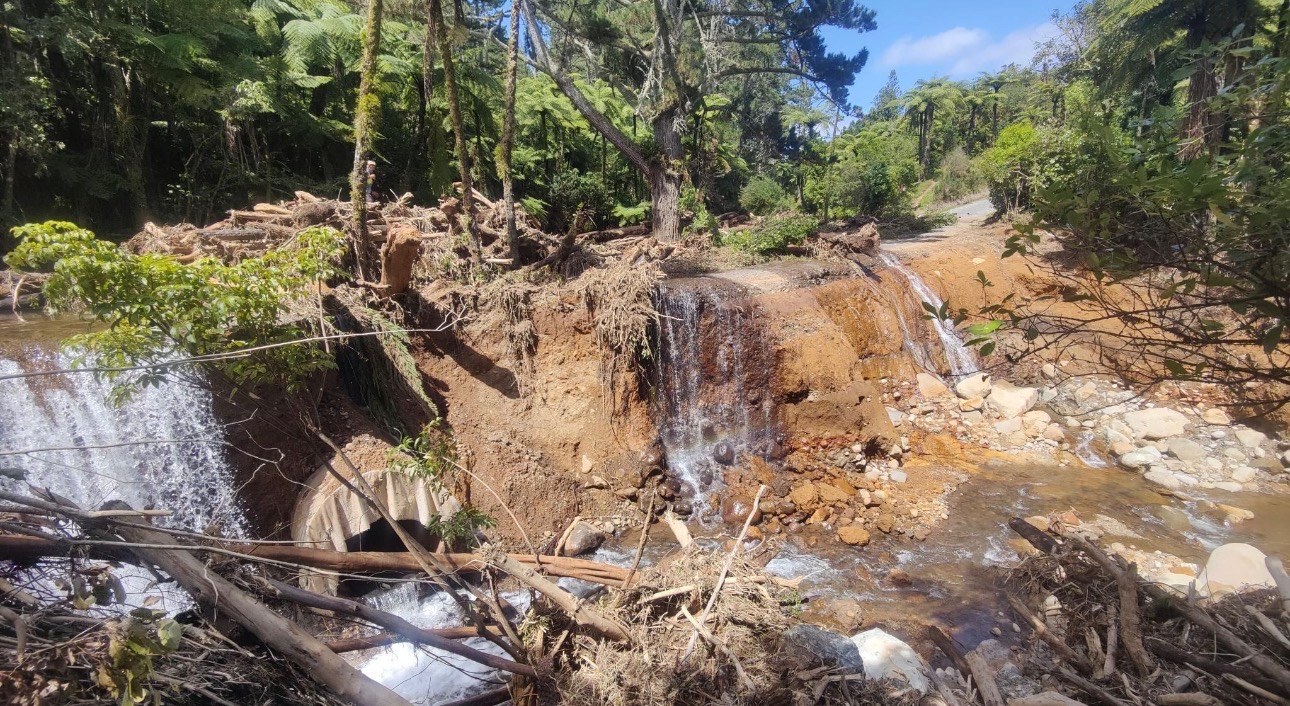
Storm damage to Pirongia Forest
Staff have developed plans to remediate areas impacted by the severe weather event in February, including the Kakepuku Mountain track and the Sainsbury Road Reserve. Both areas will remain closed until the tracks can be made safe for the public.
Work on Kakepuku Mountain will include removing silt, debris, and large loose rocks, clearing track gutters, mulching fallen or unstable trees, and realigning sections of the track while installing safety railings. This will allow safe pedestrian and emergency vehicle access, and is expected to start next week.
At Sainsbury Road Reserve, work will involve closing sections of track affected by smaller landslides, realigning the trail around a large landslide, and removing a damaged culvert. The timing for this work is still to be scheduled.
Strategy
Legislation tracker
We actively monitor legislation changes and wider central government reform – and the impact on Council. We aim to keep Elected Members across these changes, their progress, and Council submissions.
The tables below provide updates from the last two weeks.
What’s new? A list of new, relevant legislation | ||
Item | Description | Stage |
Proposed updates to the Code of Practice for Firefighting Water Supplies | Fire and Emergency New Zealand is proposing to update the Code of Practice for Firefighting Water Supplies, which sets national guidance on the minimum water pressure and volume needed for effective firefighting. The key updates include:
The updated Code will support a coordinated approach between Fire and Emergency, councils, water service providers, and developers, making sure communities have adequate firefighting water as towns grow and systems evolve. | Draft introduced Open for submissions Submissions closed New code of practice adopted |
Estimate of when Bill will receive Royal Assent | ||
2026 | ||
Impact on Council | ||
The Code of Practice is a reference document for best practice in terms of Firefighting Water Supplies. Council has no legal obligation to make changes however the District Plan does refer to the Code of Practice as a means of compliance for rural firefighting. | ||
The Government is ordering a review of the Dog Control Act to address issues with roaming and uncontrolled dogs. The review will:
| Upcoming Bill introduced First Reading Select Committee (including submission period) Second Reading Committee of the Whole House Third Reading Royal Assent | |
Estimate of when Bill will receive Royal Assent | ||
2026 | ||
Impact on Council | ||
Awaiting further information but likely changes around enforcement powers. | ||
Open for submissions Relevant items that are currently open for submission or coming up | |||
Item | Description | Submission status | Closing date |
Proposed updates to the Code of Practice for Firefighting Water Supplies | Fire and Emergency New Zealand is updating its Code of Practice to set clearer benchmarks and guidance for firefighting water supply, ensuring coordinated planning and resilient infrastructure so growing communities have adequate water for emergencies. | TBC | Closing for submissions April 15 |
| Progress tracker Status updates on relevant items as they progress past submissions | |||
| Item name | Description | Council response | Status |
| The Bill amends the Local Government Act to refocus councils on delivering core infrastructure and services, while removing references to the four aspects of community well-being. It also introduces new financial management and performance frameworks, reduces regulatory requirements, and gives the Secretary for Local Government authority to issue codes of conduct and standing orders for elected members. | Submitted on 27 August 2025. | Expected to be completed in the week of March 30. Potential enactment mid-April. | |
| Proposals to control rate rises and introduce rate capping | The Government will introduce a rates cap limiting most council rate increases to 2–4% per capita annually, covering general and targeted rates but excluding water and non-rates revenue, with any increases above the cap requiring central Government approval. | Submitted | Submissions closed February 4. |
| This Bill will strengthen community and iwi Māori involvement, makes mayors primarily responsible for local emergency declarations, requires better identification of high-risk communities, and allows the Minister to set national rules and minimum standards for emergency management. | Submitting as part of Waikato CDEM | Submissions closed February 15. | |
| Together, these Bills will replace the Resource Management Act and establish a new planning and natural environment framework governing land use, development, and environmental protection. They introduce simplified activity categories and a permit system, combined regional plans with environmental limits, clearer roles for regional and territorial authorities, and requirements to balance environmental regulation with landowners’ reasonable use of land. | Submitted | Select Committee report due June 26. | |
| This Bill will amend the Building Act and Building (Dam Safety) Regulations by replacing earthquake ratings with tiered risk-based mitigation requirements, narrowing the earthquake-prone building system to high-risk buildings in medium and high seismic zones, removing low-risk areas and building types from the regime, allowing longer compliance extensions, and reclassifying parts of Otago and Stewart Island as medium seismic zones. | Did not submit | Submissions closed February 16. | |
| Simplifying Local Government / Proposed changes to regional councils and local government structure | The Government is proposing reforms to the local government system alongside its resource management changes, including abolishing elected regional councils and replacing them with Combined Territories Boards made up of regional mayors. These Boards would oversee regional planning, infrastructure, and environmental management, and be required to develop reorganisation plans that could include shared services, council mergers, or restructuring into unitary authorities. |
| Submissions closed February 20. |
| Infrastructure Funding and Financing Amendment Bill – Development levies | The Government is proposing to replace development contributions with a new development levies system through the draft Local Government (Infrastructure Funding) Amendment Bill. The new system would separate levies by infrastructure type, define larger levy areas, allow extra charges in high-cost locations, and require a standardised methodology for calculating growth-related infrastructure costs. | Submitted | Submissions closed February 20. Expected in the third quarter of 2026. |
| Hospitality sector review | Review covers regulation affecting, restaurants, bars, cafés, food stalls at markets, food trucks, catering businesses and hotels. Gambling regulations are out of scope. | Early expert feedback provided | Early feedback closed February 11. |
| Proposed changes to lane use and road safety | NZ Transport Agency Waka Kotahi is proposing updates to the Land Transport (Road User) Rule to improve lane safety and efficiency, including allowing children under 12 to ride bikes on footpaths, setting a minimum passing gap, permitting e-scooters in cycle lanes, requiring drivers to give way to buses leaving stops, and clarifying berm-parking signage rules. | Submitting under delegated authority. Report to be presented to Service Delivery Committee in April. | Submissions closed March 25. |
| Building and Construction Sector (Strengthening Occupational Licensing Regimes) Amendment Bill | The Bill proposes changes to key building and trade legislation to strengthen disciplinary and enforcement powers, introduce codes of ethics, streamline licensing, and reduce oversight for low-risk work. | Staff submitted in their role as subject matter experts. | Select Committee Report March 19 Expected in the third quarter of 2026. |
| Sale and Supply of Alcohol (sale of Alcohol on the morning of Anzac Day, Good Friday, Easter Monday and Christmas Day) Amendment Bill | The Bill proposes to allow licensed businesses already permitted to open on ANZAC Day morning, Good Friday, Easter Sunday and Christmas Day to sell alcohol under their usual licence conditions. | Did not submit. | Committee of the whole House March 11. Possibly in effect before Easter 2026. |
| Proposed changes to alcohol licensing and sales rules/ The Sale and Supply of Alcohol (Participation in Licensing Decisions) Amendment Bill | The Government is proposing changes to the Sale and Supply of Alcohol Act to simplify licensing, modernise and clarify rules (including digital ID and delivery), changing who can serve and sell alcohol (such as hairdressers and takeaways), updating rules for events and changing licence requirements for community clubs. | Awaiting further information. | Bill introduced March 16. |
Media releases
Media releases
Media clippings
March 10 - 23
News in brief
Cambridge News • Internet • 19 Mar 2026, 4:01 am
Centre established
King Country News • Newspaper • 19 Mar 2026, 12:00 am
Relief for Pirongia residents as temporary Mangati bridge due to open this week
Waikato Times • Paora Manuel • Internet • 17 Mar 2026, 2:14 am
Hundreds weigh in Cambridge's congestion issues
Waikato Times • Katie Hunter • Internet • 17 Mar 2026, 2:14 am
Congestion draws huge response
Waikato Times • Katie Hunter • Newspaper • 17 Mar 2026, 12:00 am
News in brief
Te Awamutu News • Internet • 13 Mar 2026, 9:01 am
Luke follows mum and dad
Te Awamutu News • Jesse Wood • Internet • 12 Mar 2026, 12:50 pm
Trust challenged on details
Te Awamutu News • Chris Gardner • Internet • 12 Mar 2026, 12:50 pm
Quick work
Te Awamutu News • Chris Gardner • Internet • 12 Mar 2026, 12:35 pm
Growth, debt and choices
Cambridge News • Mary Anne Gill • Internet • 12 Mar 2026, 5:05 am