Urban growth projections
The impacted Te Awamutu catchment area makes up 35 percent of our urban growth projections.

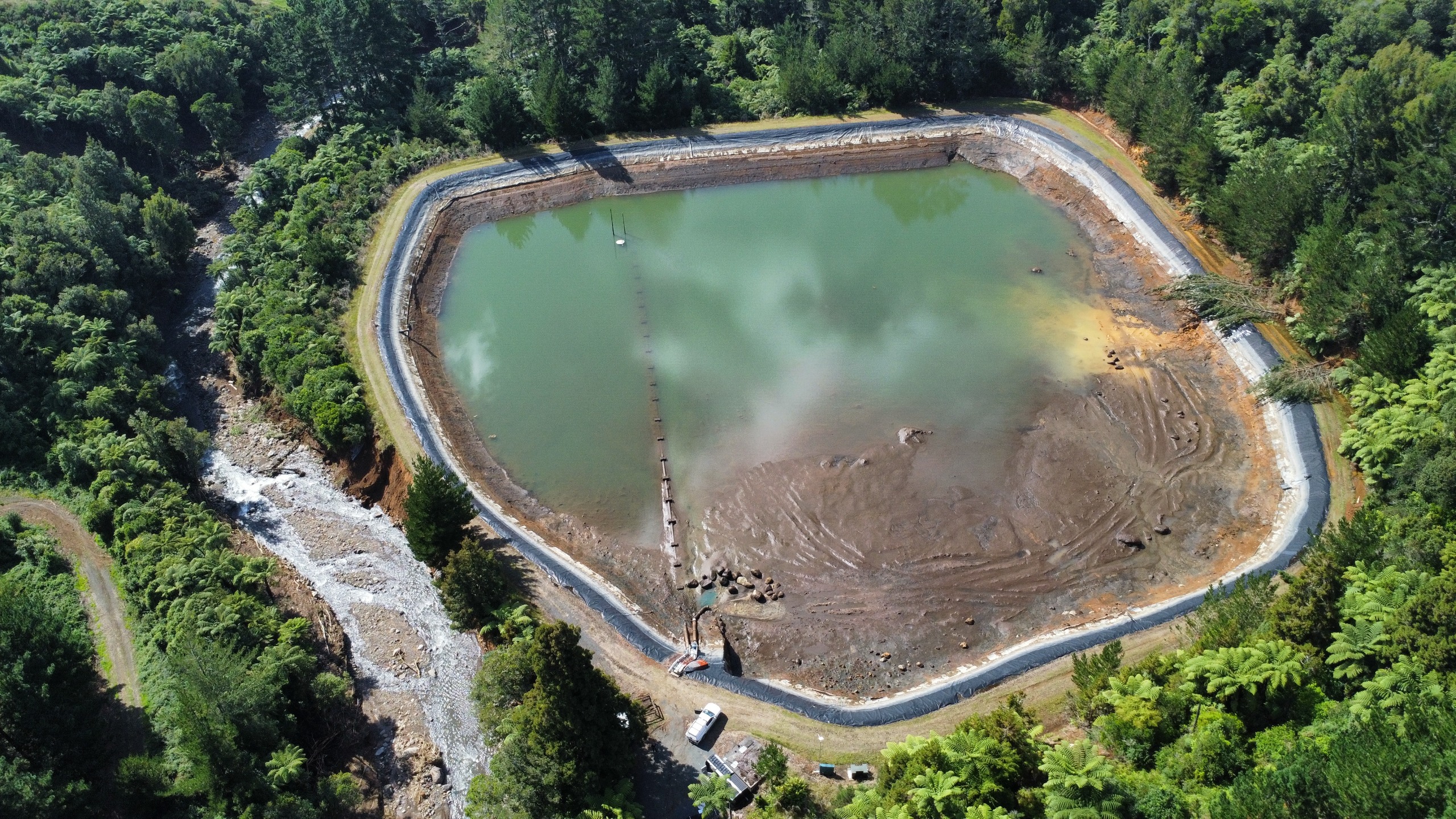
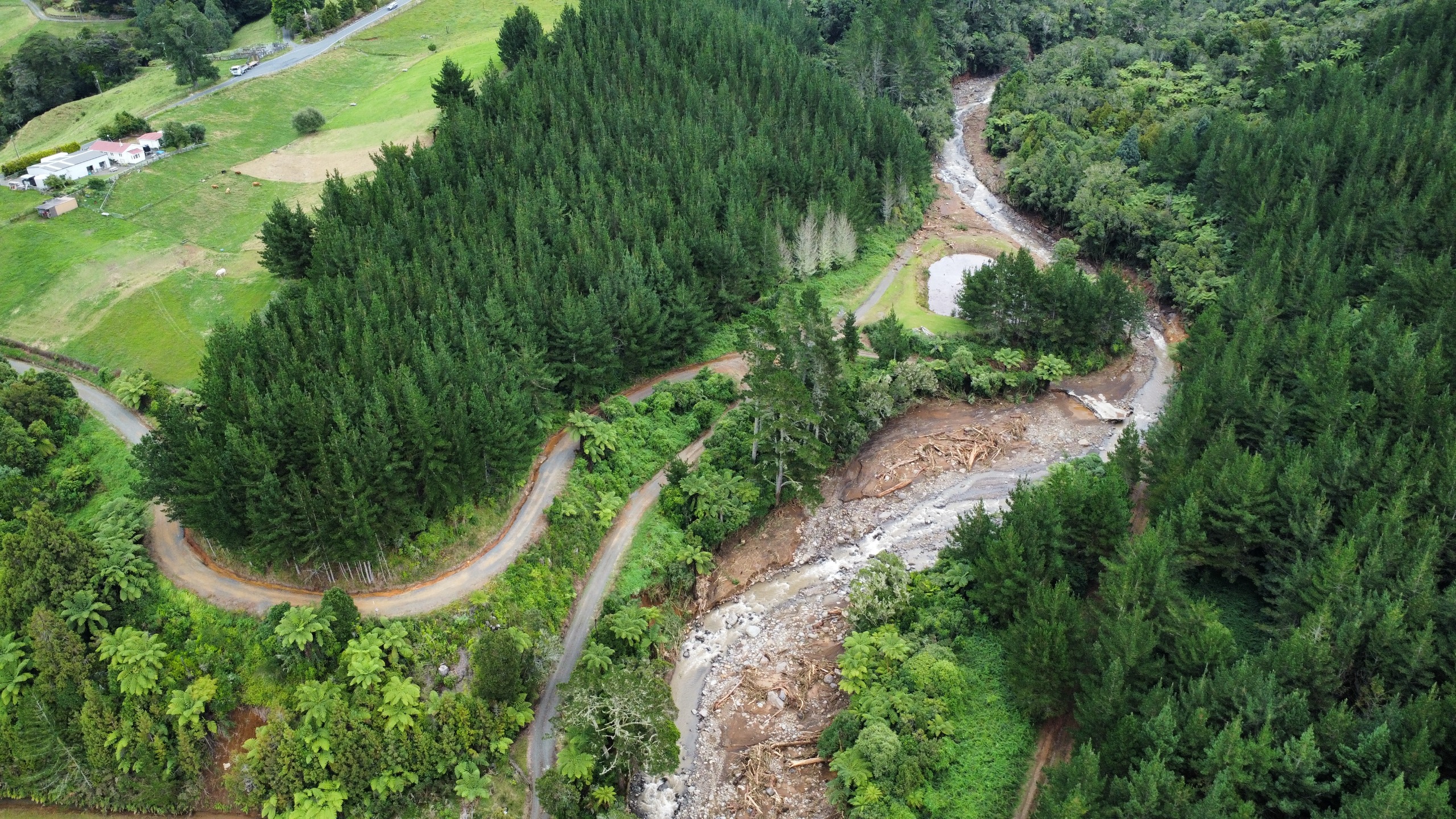
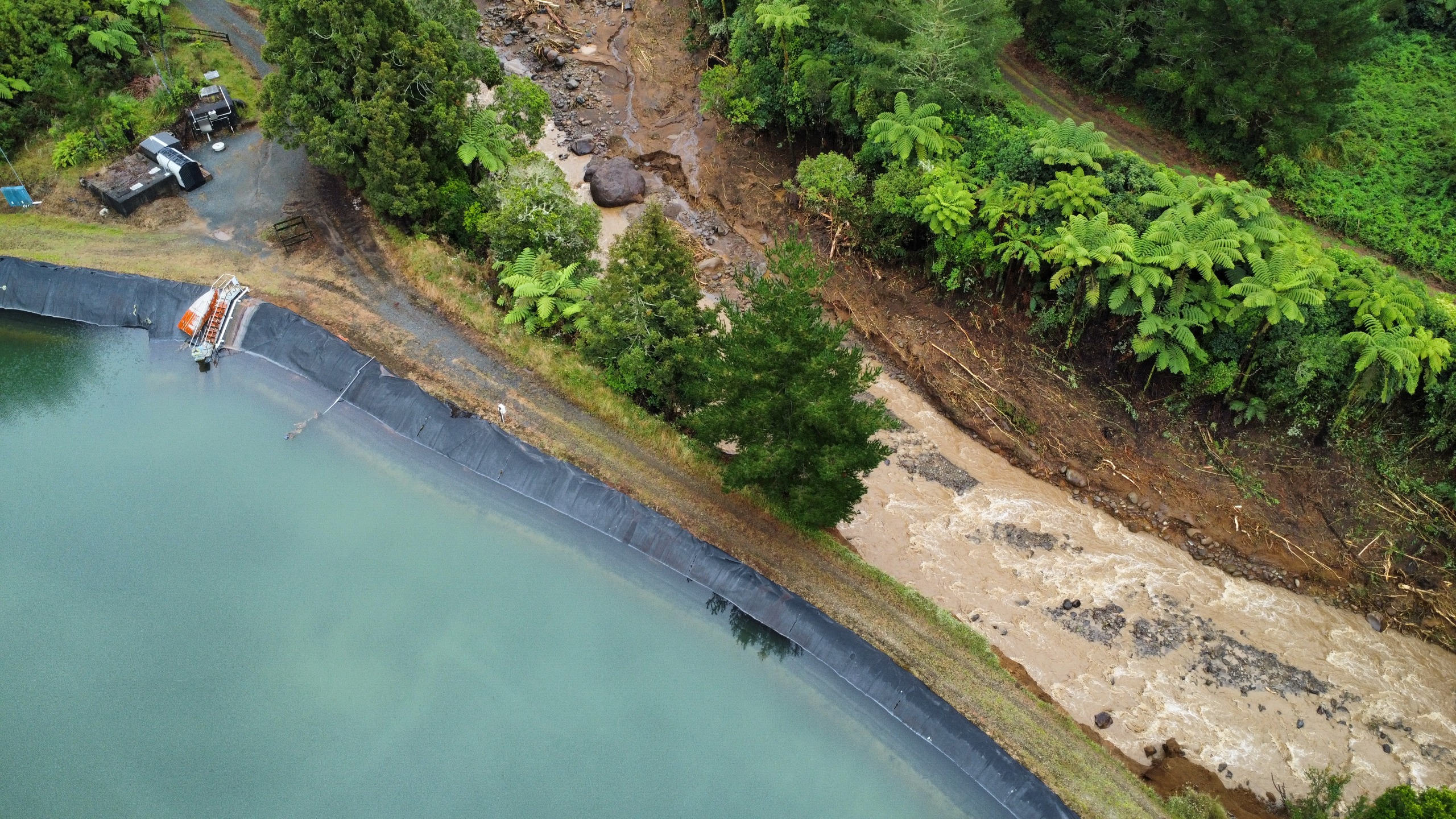
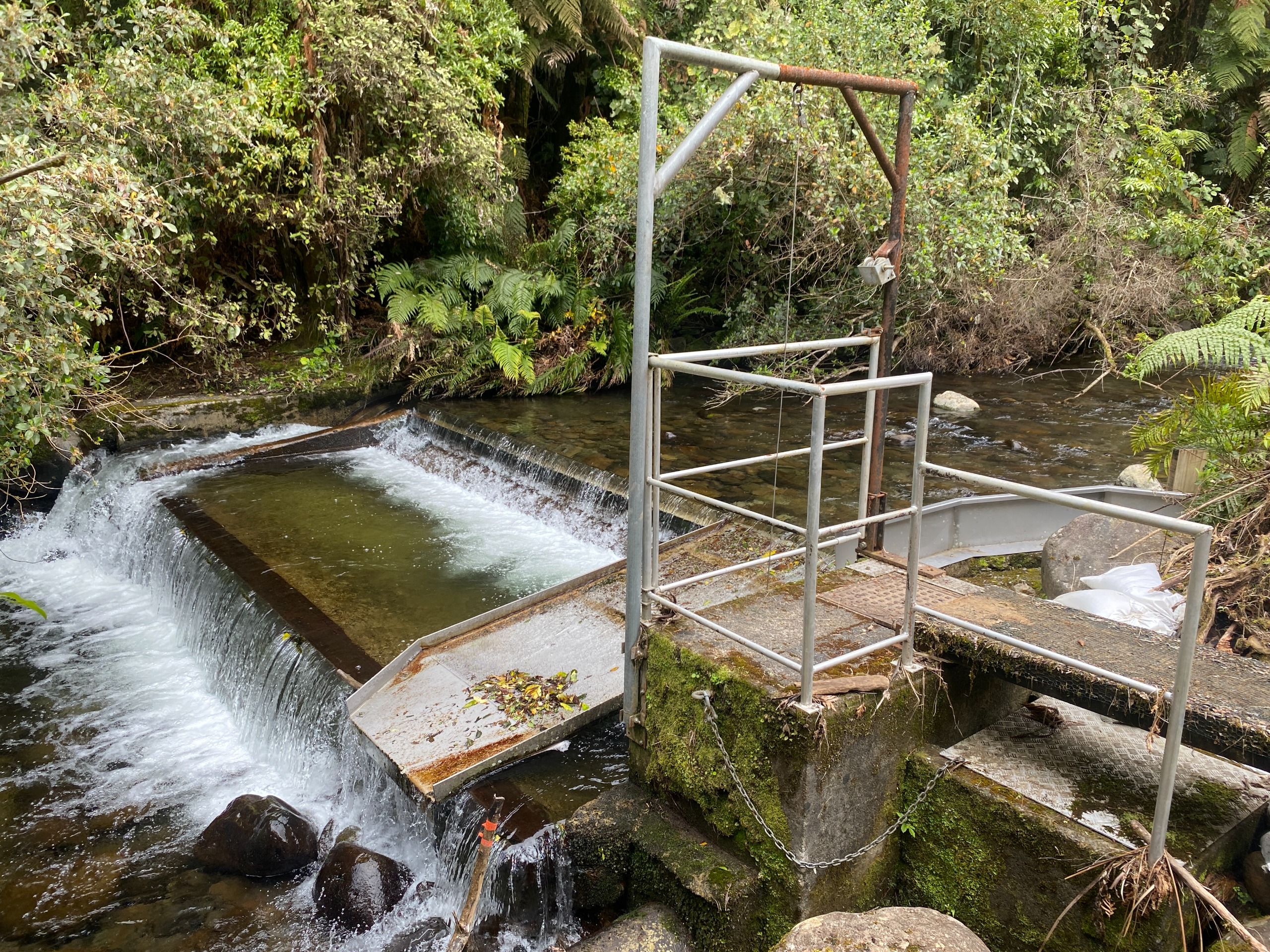
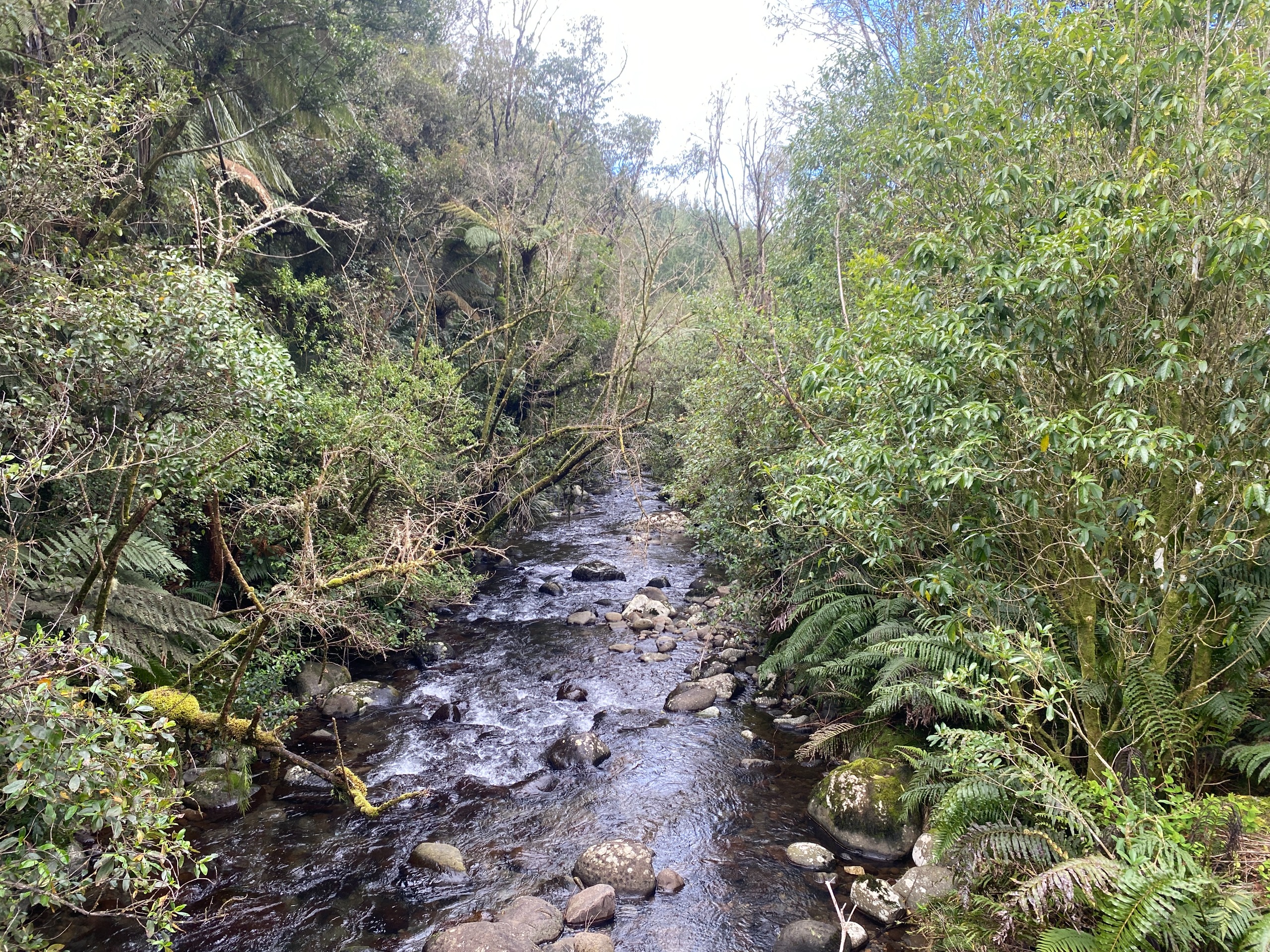
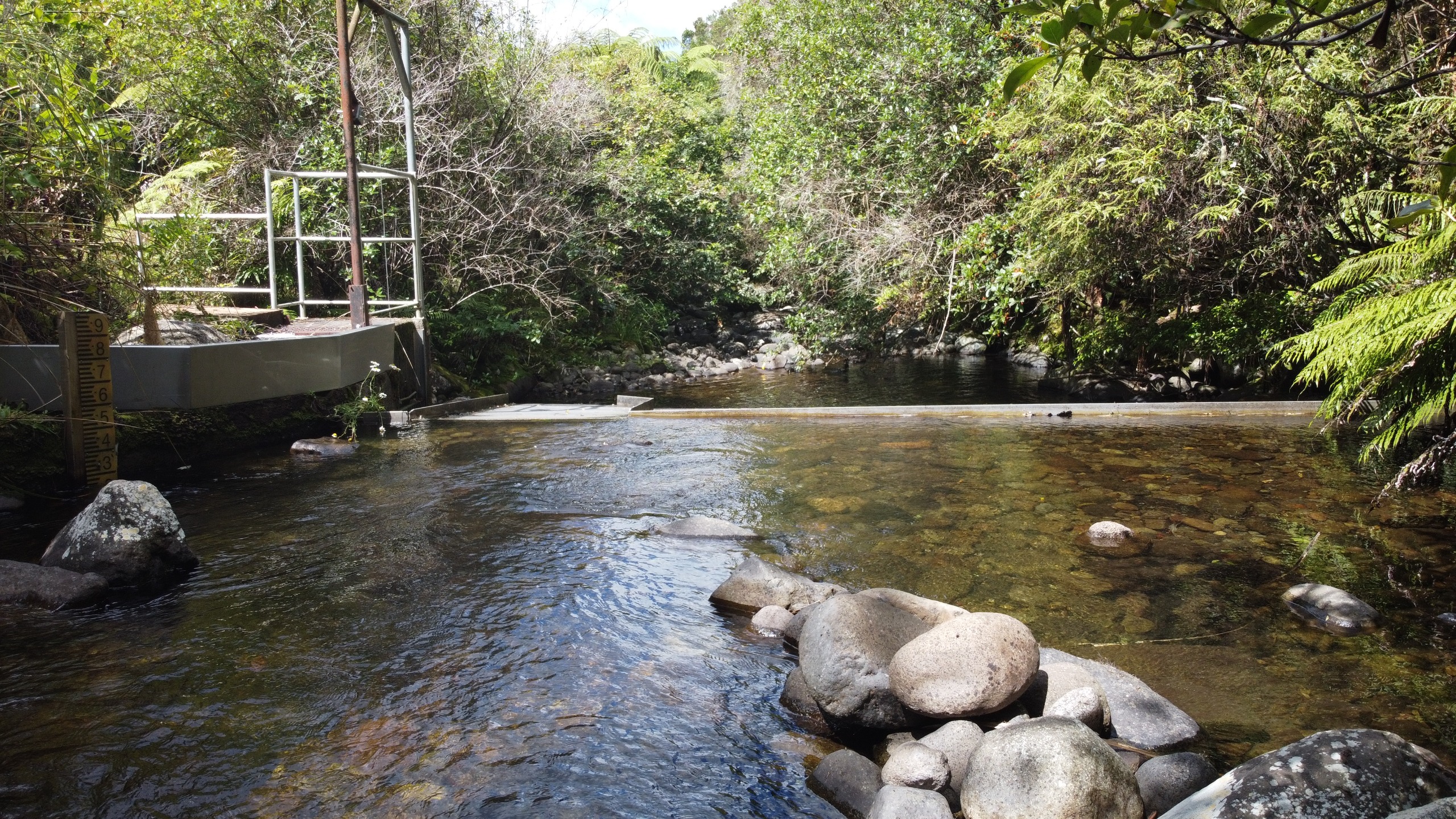
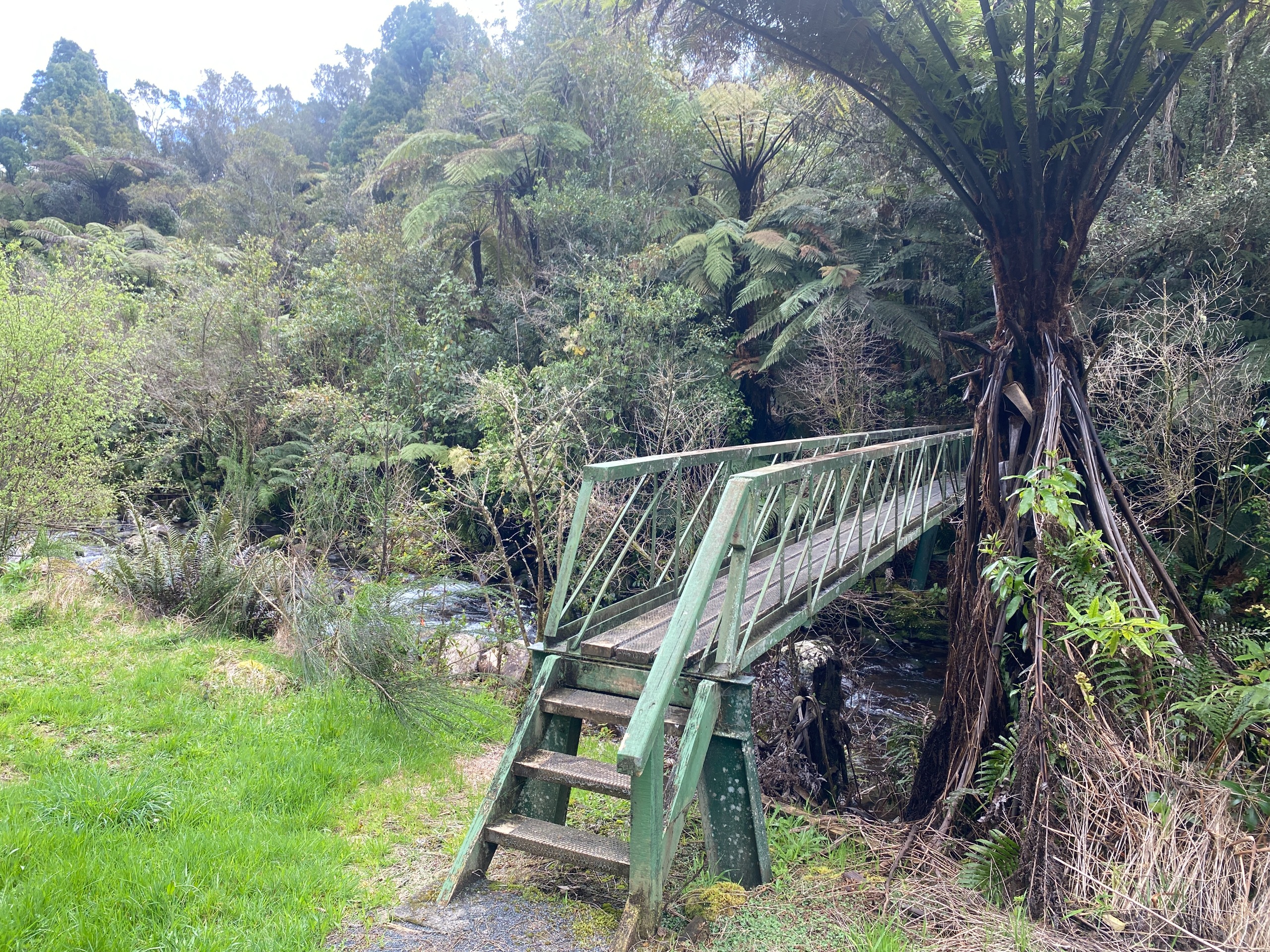
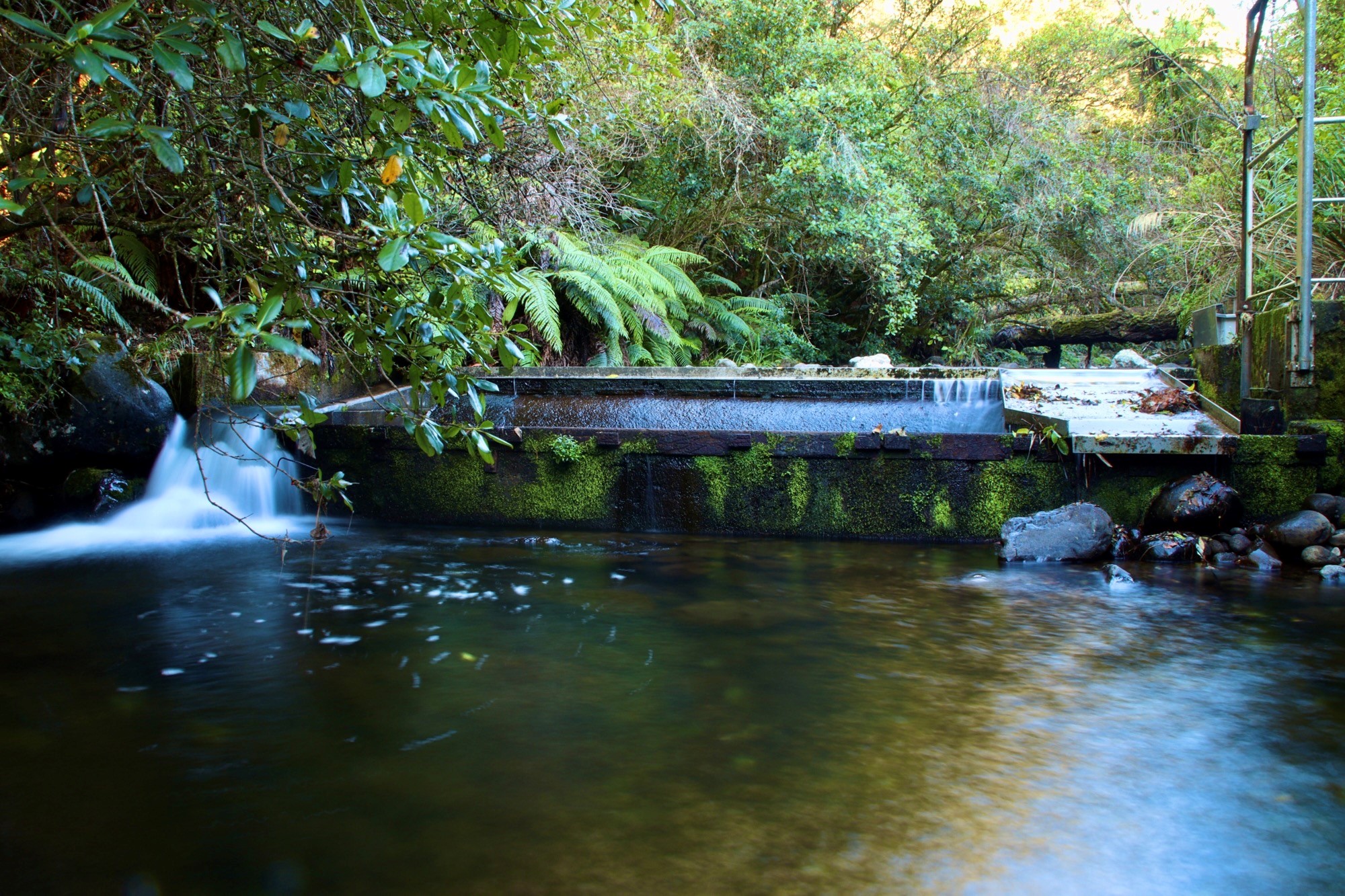
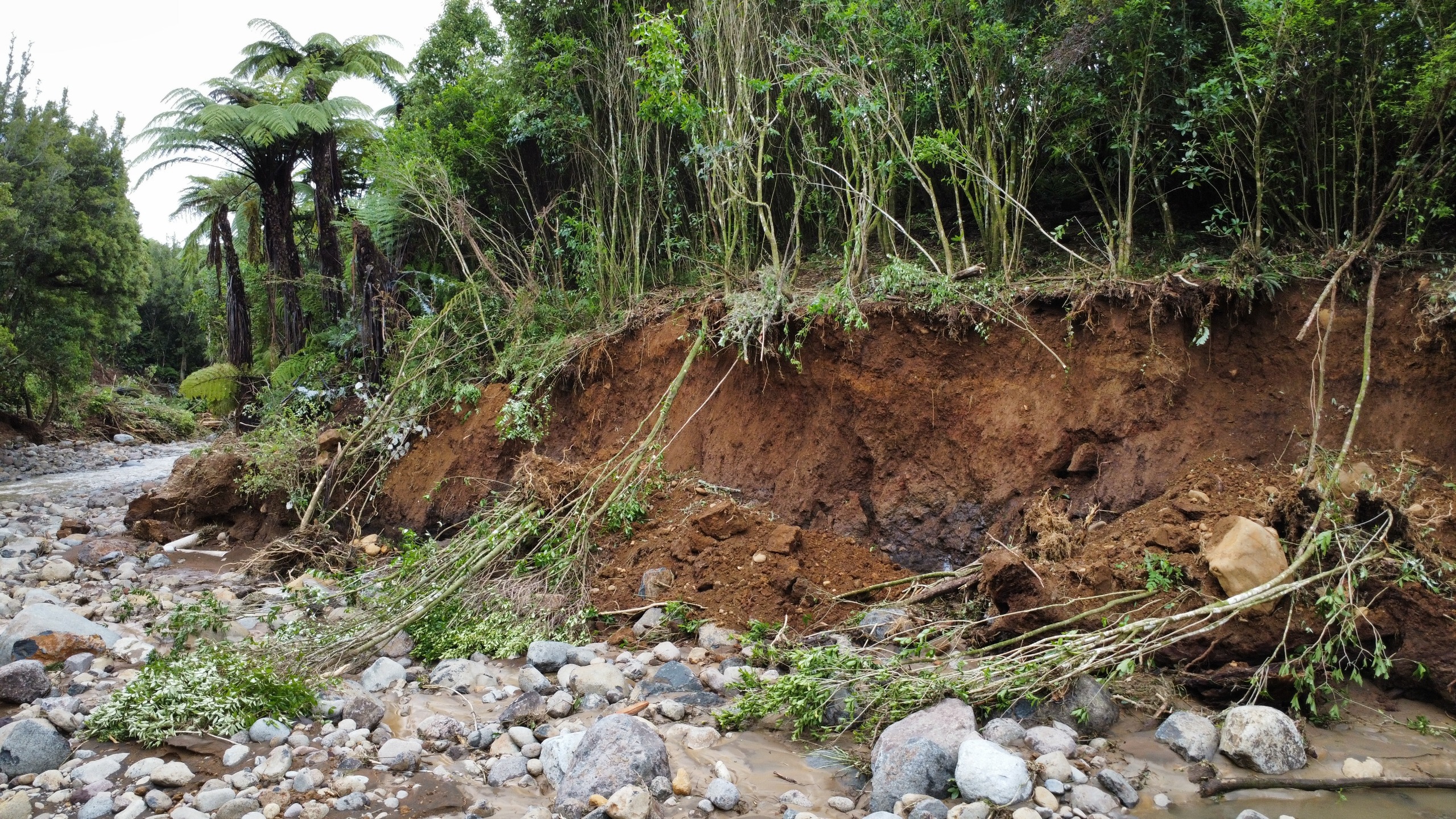
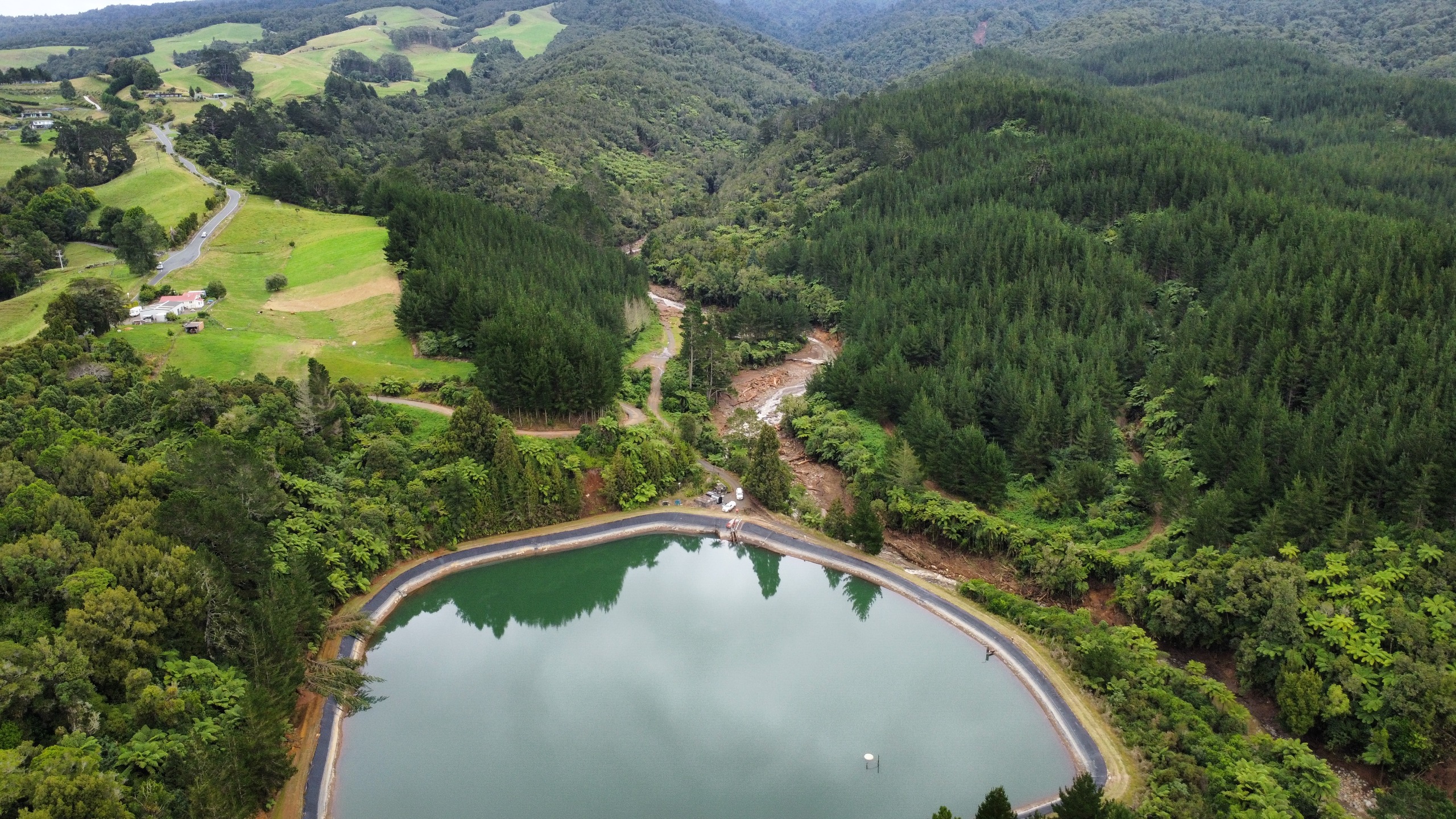
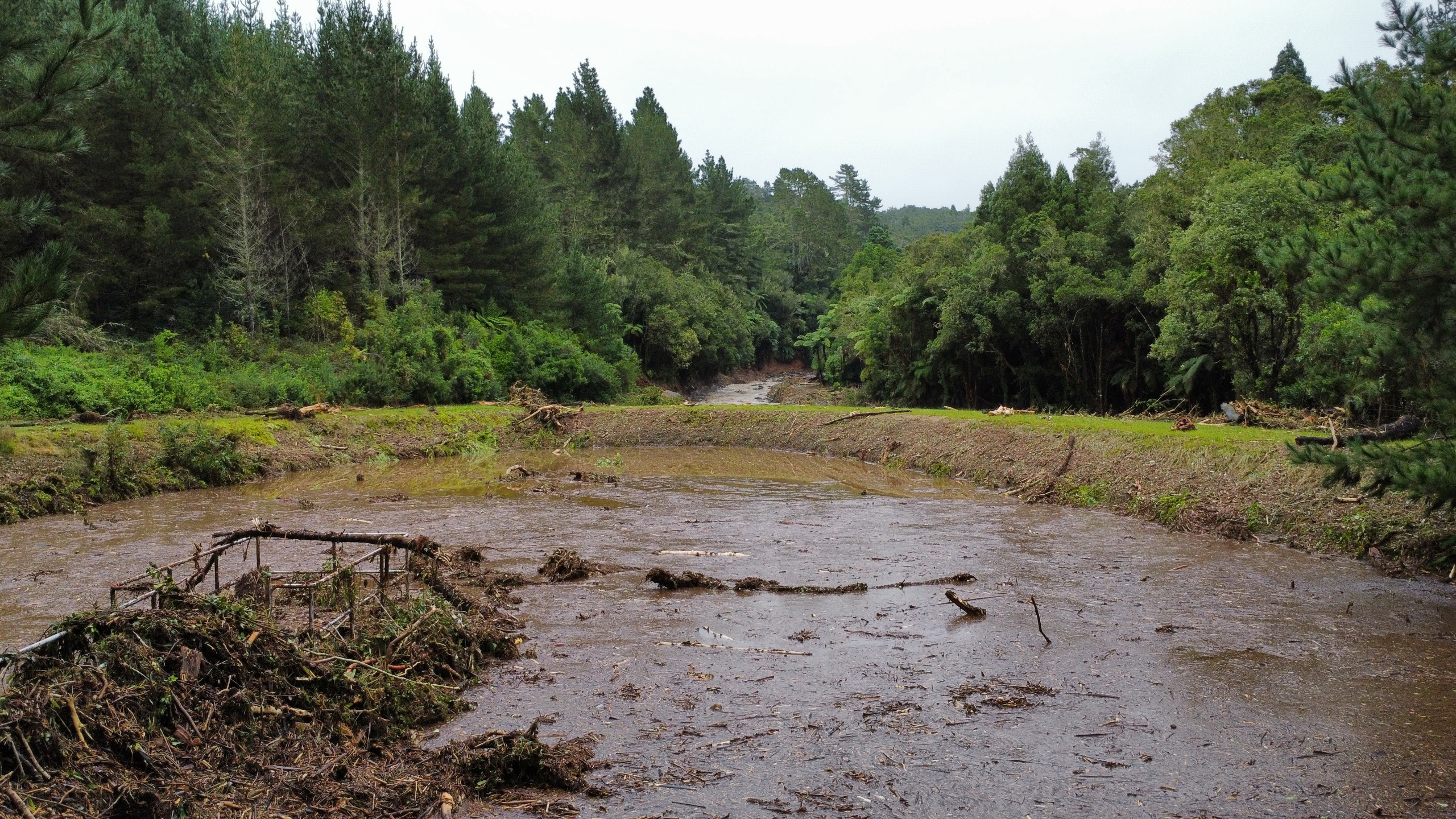
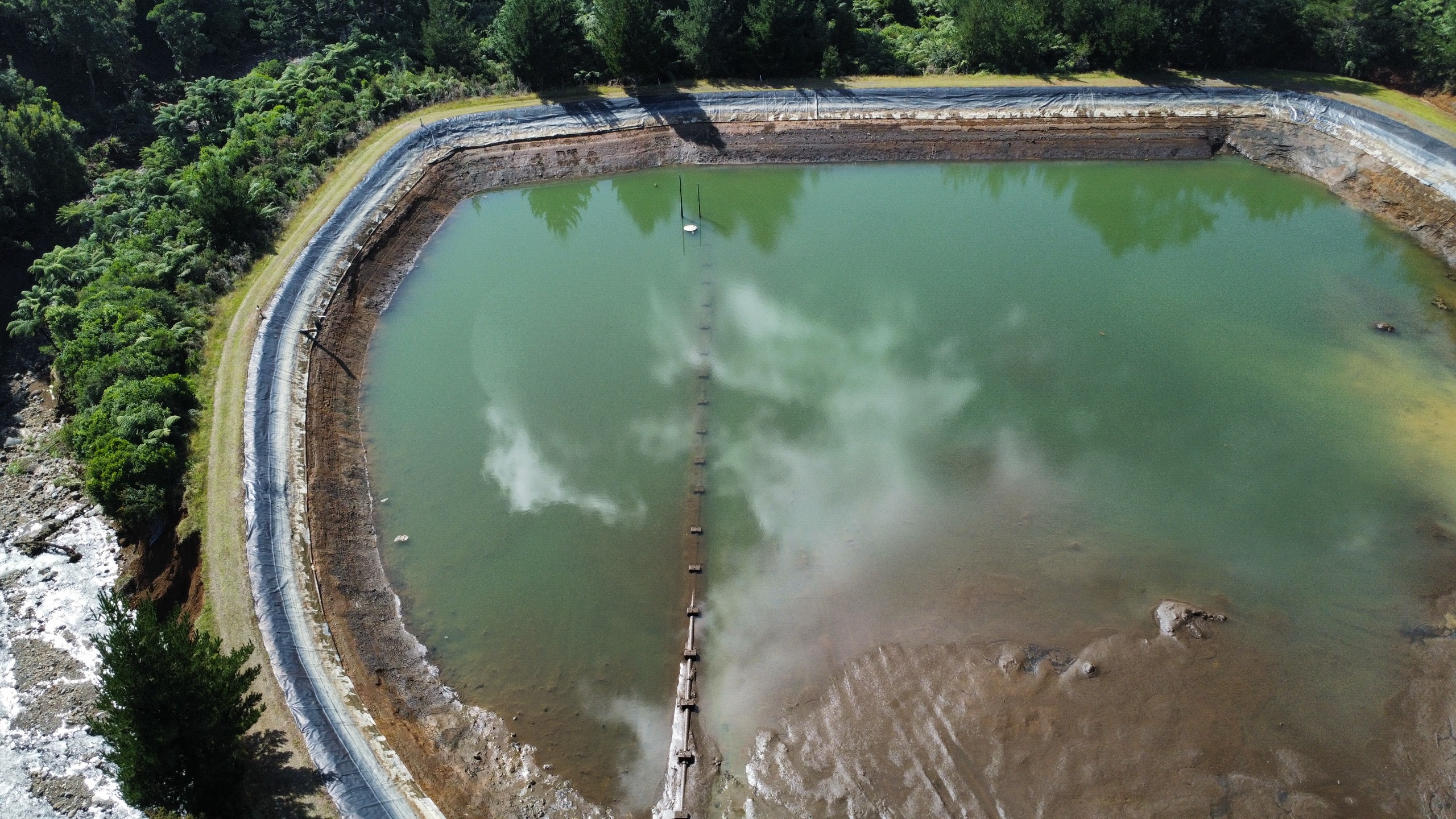
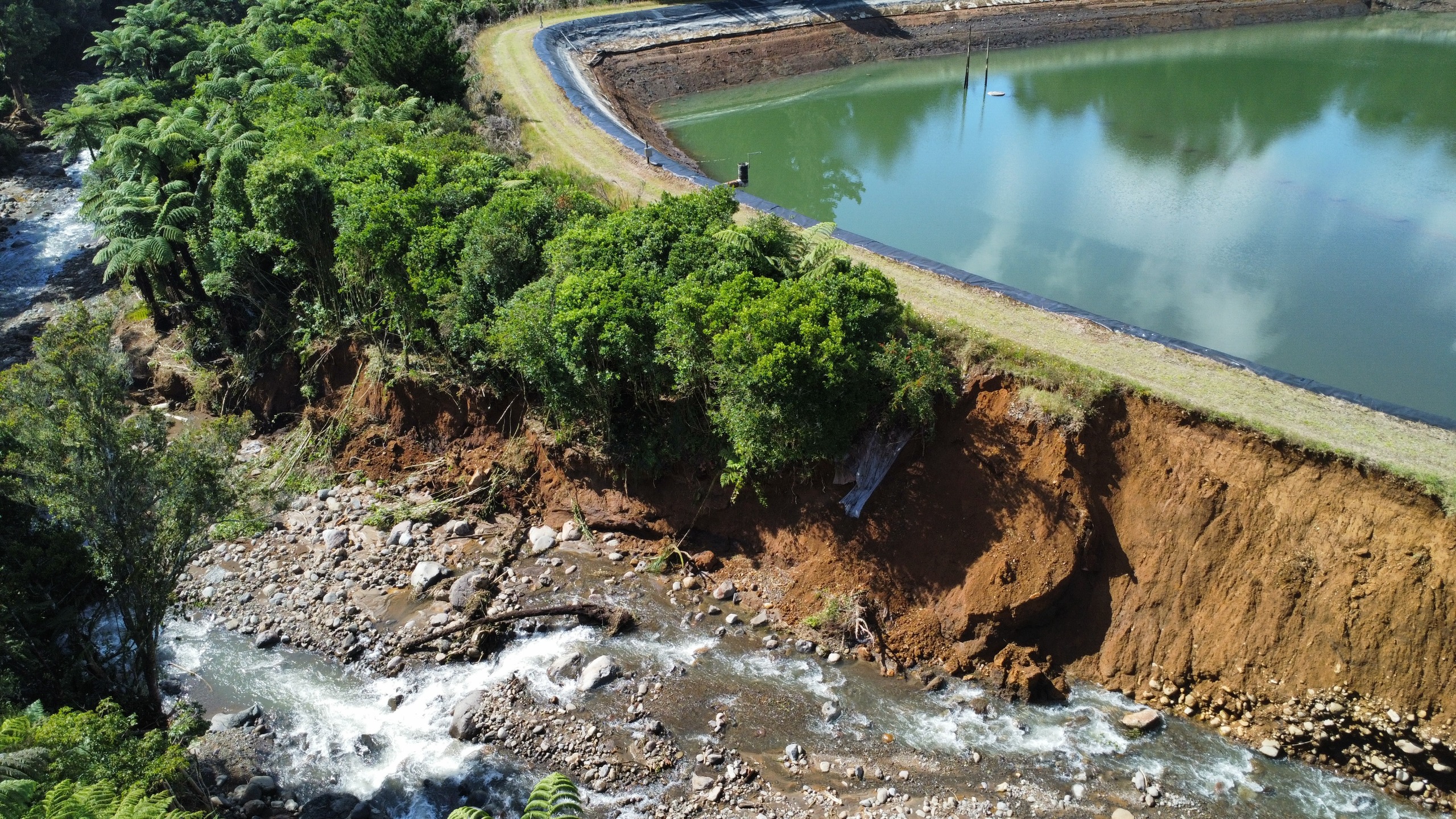
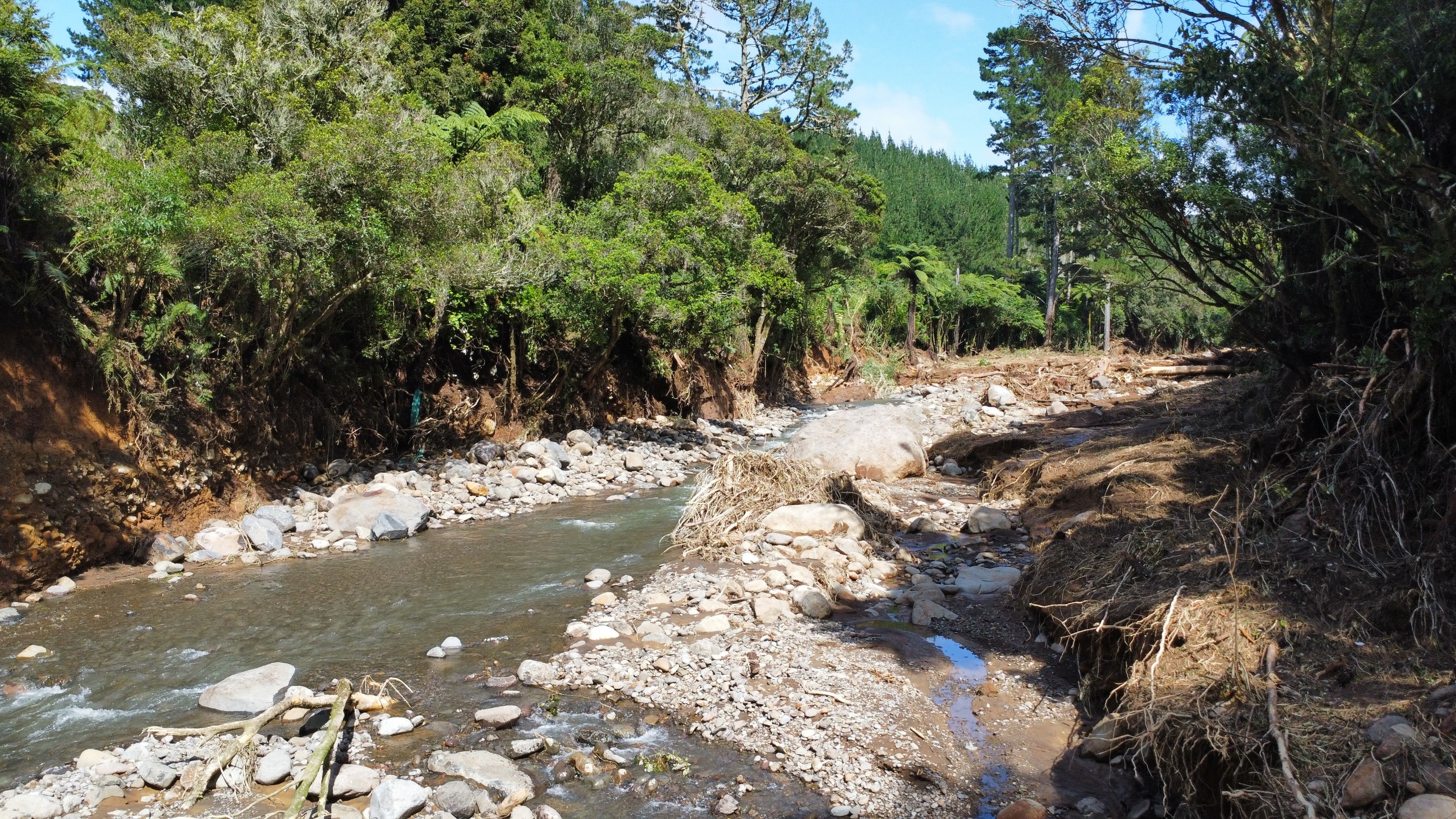
In February 2026, severe weather in Waipā District caused significant damage to Te Tahi water treatment intake, weir, reservoir dam and supporting infrastructure near Pirongia. This was a one-in-250-year event. It is the first time a water treatment plant has suffered extensive damage from a weather event in the Waipā District.
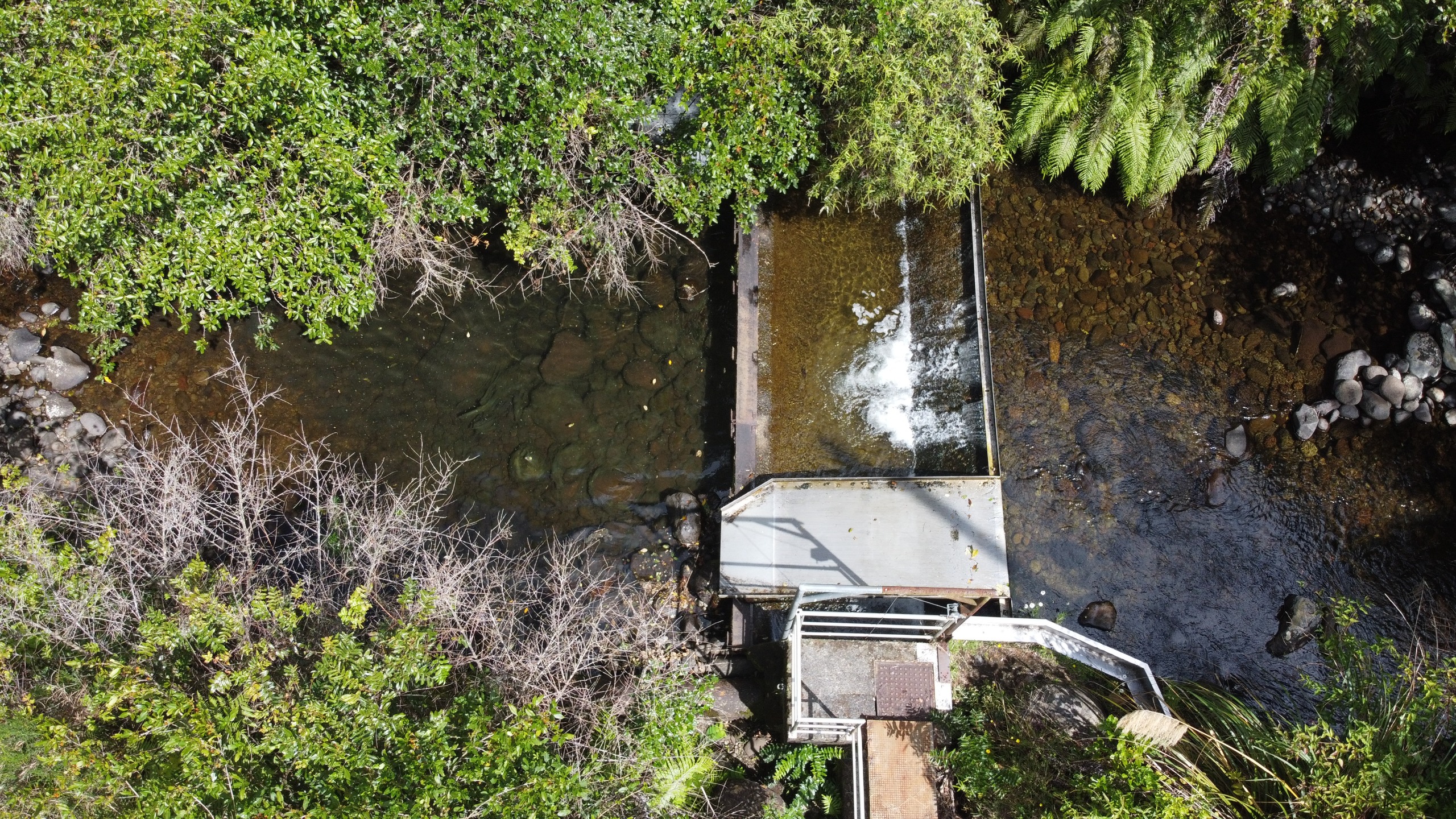
Te Tahi Water Treatment Plant produced up to 10 megalitres per day (10 million litres), about half of the water supplied to Pirongia, Te Awamutu and Kihikihi.
Following the damage, the water services team diverted water from its other sources to the supply area previously served by Te Tahi Water Treatment Plant.
This has reduced the capacity of the wider network in the affected area. At this time, no decision has been made to restore Te Tahi water infrastructure, meaning that the diversion will be required to remain in place for the short term (zero to three years).
We now have serious concerns over the network's ability to meet peak water demand over the summer period, which is around 13 megalitres per day. The current average supply capacity from alternative sources is nine megalitres per day.
An additional three megalitres is expected to come online this September, from the Parallel Road Water Treatment Plant. However, it is also anticipated that demand for water services will increase over the short to medium term, due to growth.
What does this mean for current and future developments and resource consents in Te Awamutu, Pirongia and Kihikihi?
Any development with existing or approved resource consent will be able to go ahead as planned. Any current applications, future developments and future resource consents will be subject to a three-year delay condition regarding water connection, so they can’t be connected before capacity is restored.
If there is a solution earlier, impacted developments will be allowed to make water connections earlier.
Will the three-year water delay condition apply to second houses or minor dwellings (granny flats)?
No. Permitted second houses or minor dwellings (such as granny flats) do not require a new water connection, so they can proceed without resource consent or a water connection application.
Can water connection applications for already consented developments in On Demand or Restricted Water Supply Areas be refused?
No. Where a water connection application relates to an already consented development within an On Demand Water Supply Area, it cannot be refused.
In Restricted Water Supply Areas, water connection approvals are a discretionary decision. However, as these areas are generally identified as future supply or growth areas (for example, the T12 growth cell), such applications will also be approved in practice.
Will this prevent current and future growth and development in Te Awamutu, Pirongia and Kihikihi?
Development that is already consented will be able to go ahead as planned. Council does not want to prevent future development, which is why development and resource consents will be able to continue with the subject to a three-year delay condition regarding water connections, if they are advanced.
What will happen after the three-year period?
The three-year period is intended to give time to restore water supply capacity and put a longer-term solution in place.
Waipā District Council is working with Waikato Waters, which will be responsible for the water supply network from July 1, 2026.
Delivering and managing the long-term solution will sit with Waikato Waters from July 1, with ongoing collaboration with Council.
If a solution is put in place earlier, impacted developments will be allowed to make water connections earlier.
Is there an interim water supply option for developments
that can't connect to the network yet?
Yes. To help development continue while the network constraint is managed, Council is offering an interim option: developers can install compliant onsite rainwater tanks to supply individual buildings as a temporary water supply.
This means consented and future developments can proceed without waiting for full reticulated supply to be restored.
Here is what you need to know:
Is there enough water available for fire and emergency services in Te Awamutu, Pirongia and Kihikihi?
Firefighting capacity remains a priority. Council is working closely with emergency services to ensure critical services, including firefighting and emergency response, can continue to operate effectively.
How is council working with high water users like Fonterra?
We are working closely with high water users, including Fonterra, through direct engagement and regular updates to support planning and manage demand together.
How is council working with mana whenua and iwi on this issue?
We are actively engaging with mana whenua and iwi to ensure their perspectives, values, and kaitiakitanga responsibilities are heard in the response and future planning.
Will this affect marae in the Te Awamutu, Pirongia and Kihikihi tākiwa?
The same water use guidance applies to marae. Council will be working closely with mana whenua and iwi partners to provide regular updates and support planning where needed.
Water restrictions may need to change or increase during peak demand periods, especially summer.
How will this impact local businesses in Te Awamutu, Pirongia and Kihikihi?
We’re working closely with key stakeholders to minimise disruption and keep businesses informed.
Local businesses can continue operating as usual.
What support is available for businesses in Te Awamutu, Pirongia and Kihikihi?
We are engaging directly with key business groups, including the Chamber of Commerce and major water users, to provide updates and guidance.
We will continue to share clear information, offer practical advice, and work with businesses to plan ahead and manage any potential impacts.
How can businesses in Te Awamutu, Pirongia and Kihikihi help?
Businesses can help by using water efficiently and reviewing their operations to reduce non-essential use, particularly during peak periods.
Every effort to conserve water supports the wider community and helps maintain a reliable supply for essential services.
Will my water pressure be reduced?
There is a risk that some residents may experience reduced water pressure at times, particularly during periods of high demand.
Council and Waikato Waters will monitor the water supply closely and will put water restrictions in place when needed to try and prevent reduced water pressure.
Will I have to be under water restrictions?
The district is currently under Alert Level Two water restrictions, this means residents are restricted to only use sprinklers on alternate days between 6 – 8am and 6 – 8pm. Also, avoid hosing driveways and footpaths, use trigger nozzles, cover pools and shorten showers.
Water restrictions may need to change or increase during peak demand periods, especially summer.
Visit the water alerts levels page for more information.
How can I conserve water?
Visit the water saving tips page to find ways to conserve water.
What does this mean in summer when the demand is higher?
We are actively monitoring the water supply and demand, especially ahead of peak summer use. Water restrictions may change or increase to reduce usage, if this is needed, we will notify you ahead of time.
Will we run out of water?
No, we are not expecting to run out of water.
This does not affect development or water supply in Cambridge.
Why is water supply under pressure?
In February 2026, severe weather in Waipā caused significant damage to the Te Tahi water treatment intake, weir, reservoir dam and supporting infrastructure near Pirongia.
It was a one in 250 -year event and it is the first time a water treatment plant has suffered extensive damage from a weather event in Waipā.
This water treatment plant produced up to 10 megalitres per day (about half) of the water supplied to Pirongia, Te Awamutu and Kihikihi. While water has been redirected from other sources to maintain supply, those sources don’t have the same capacity.
Is there enough water for the community?
Yes - there is enough water to meet the community’s essential needs.
During periods of high demand, particularly over summer, water restrictions or conservation measures may be needed, and some areas could experience reduced water pressure.
The impacted Te Awamutu catchment area makes up 35 percent of our urban growth projections.
Any reduced growth will impact on the growth assumptions which the Long Term Plan relies on.
These will be updated to contain relevant information.
High commercial and industrial water users could need to reduce water use to help us manage peak demand in summer.
There is also a very real risk there could be water pressure issues.
Will Te Tahi Water Treatment Plant be repaired?
At this time, no decision has been made to restore Te Tahi. Any longer-term solutions will be implemented by Waikato Waters, who we are working with closely.
When will the water supply be back at capacity?
We are unable to provide a timeline at this stage. It is expected to be a medium-term issue. Decisions about the permanent solution, including repair or replacement of the damaged infrastructure, will be made by Waikato Waters.
In the meantime, Council is actively managing supply and demand to ensure the community continues to have reliable access to water.
Is Waipā District Council working with Waikato Waters?
Yes, Council is working closely with Waikato Waters ahead of the transfer of water and wastewater services on July 1, 2026.
What will happen when water is transitioned over to Waikato Waters?
From July 1, 2026, Waikato Waters will take over responsibility for managing Waipā’s water and wastewater services, including long-term decisions about infrastructure and investment.
Council will continue to work closely with Waikato Waters during and after the transfer to ensure continuity of levels of service.
Waikato Waters will lead decisions on longer-term solutions to restore water supply capacity.
If you have any questions or want to talk to someone:
| Phone | 0800 924 723 |
|---|---|
| westernwater@waipadc.govt.nz |

Have questions or want to learn more about a project, contact us below:
| Phone | 0800 924 723 |
|---|---|
| info@waipadc.govt.nz | |
| Website | www.waipadc.govt.nz/ |
Get notifications on what's happening in your town.
| Website | www.waipadc.govt.nz/antenno |
|---|